In this article
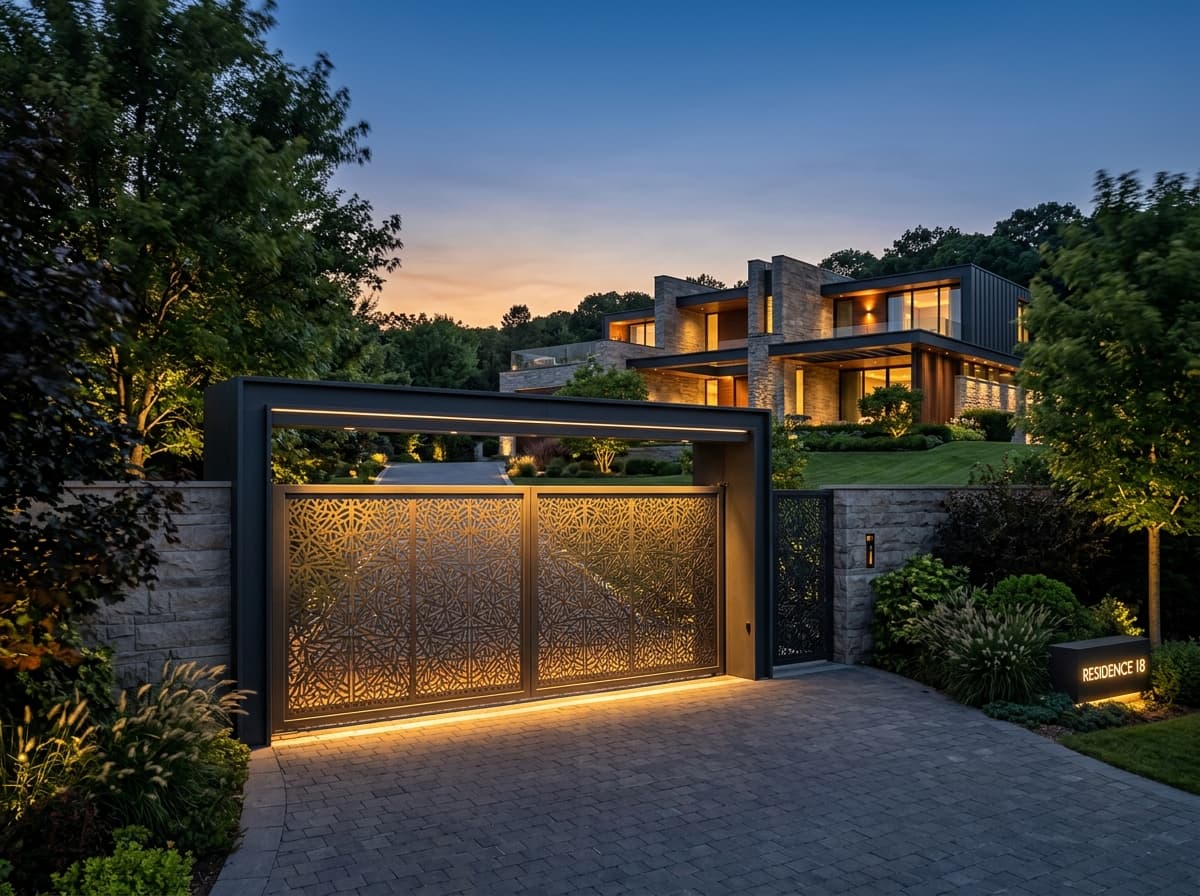
Jali — the perforated screen of Indian architecture — is back in a modern form. CNC laser cutting turns any drawing into a precise metal panel, so the same idea can become a gate infill, a balcony screen, a compound-wall panel or a full building elevation.
01Where jali panels work best
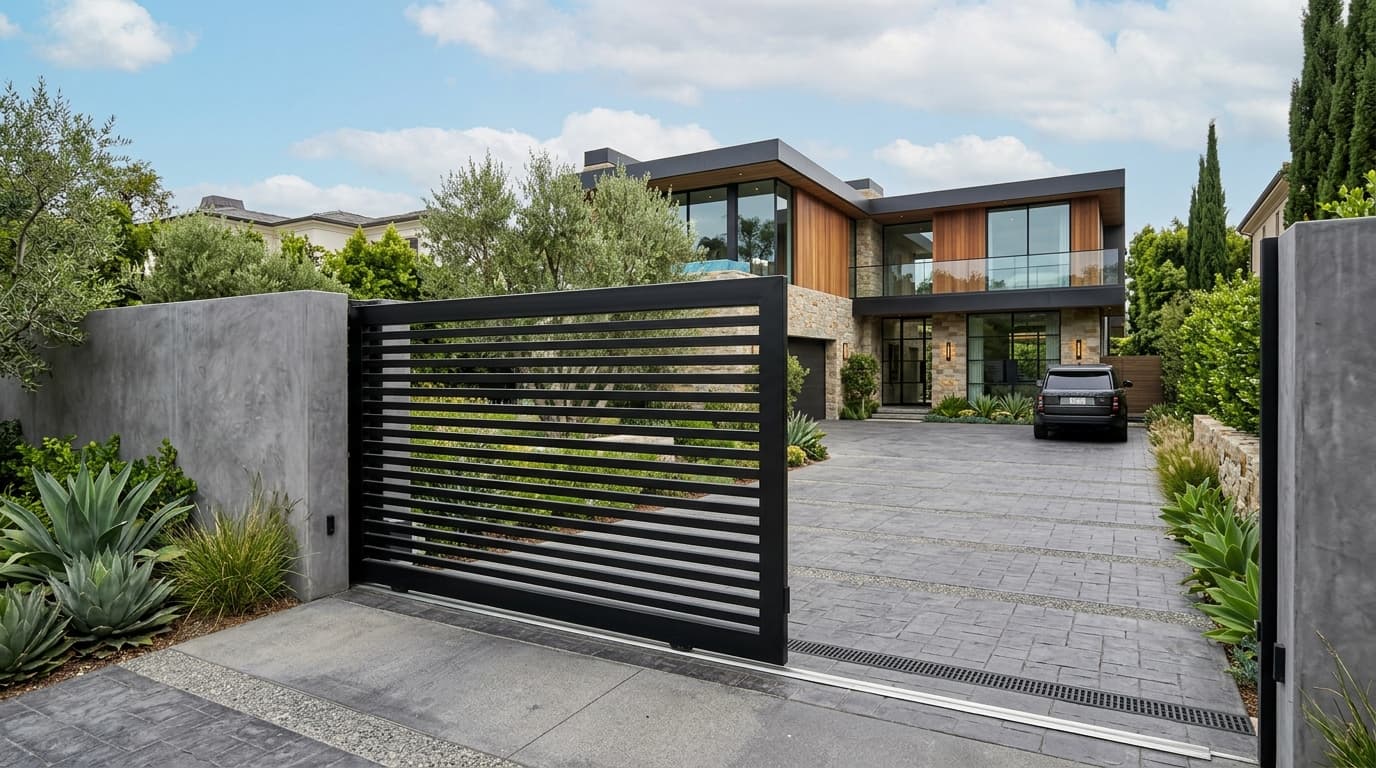
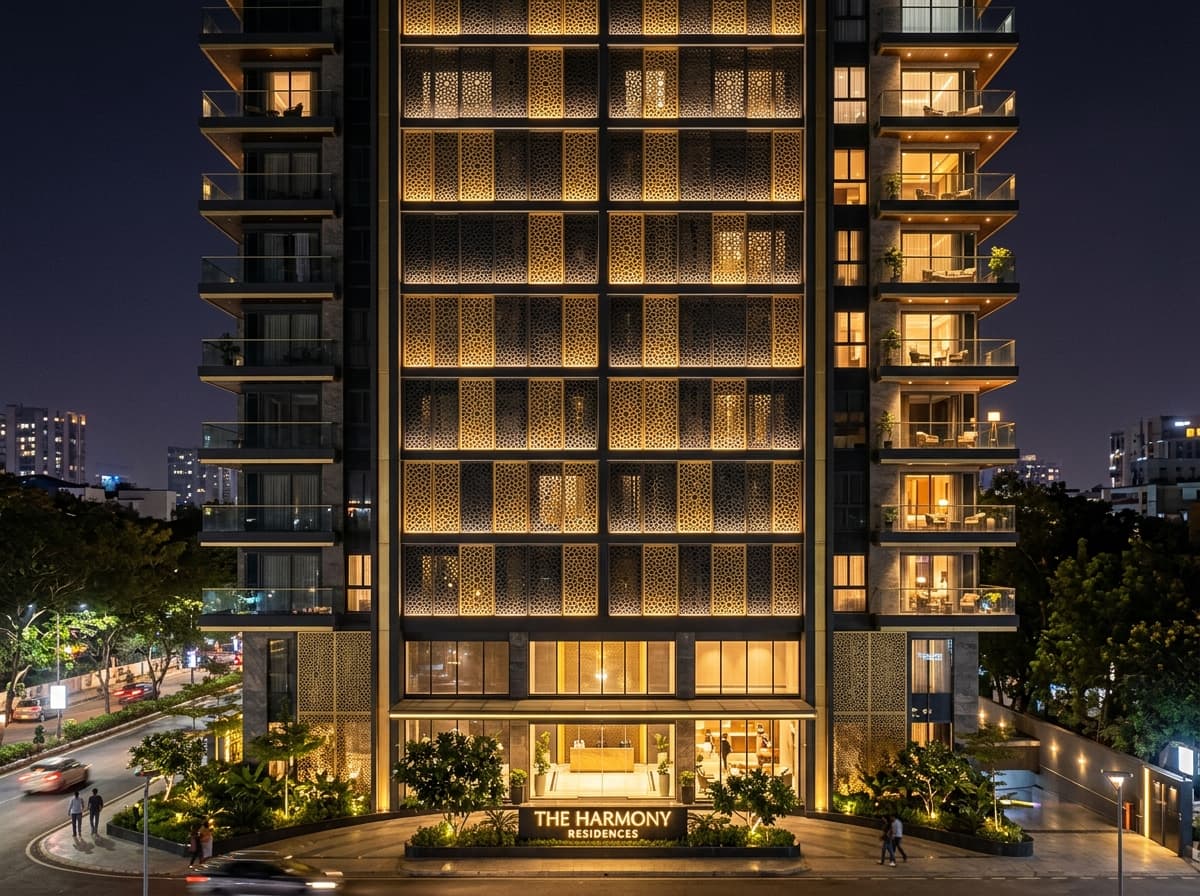
Gates and compound walls (privacy with airflow), balcony and staircase screens, and front elevations where panels shade windows and give the building a signature look. Indoors, jali makes elegant partitions and wall features.
Related serviceSee elevation & facade panels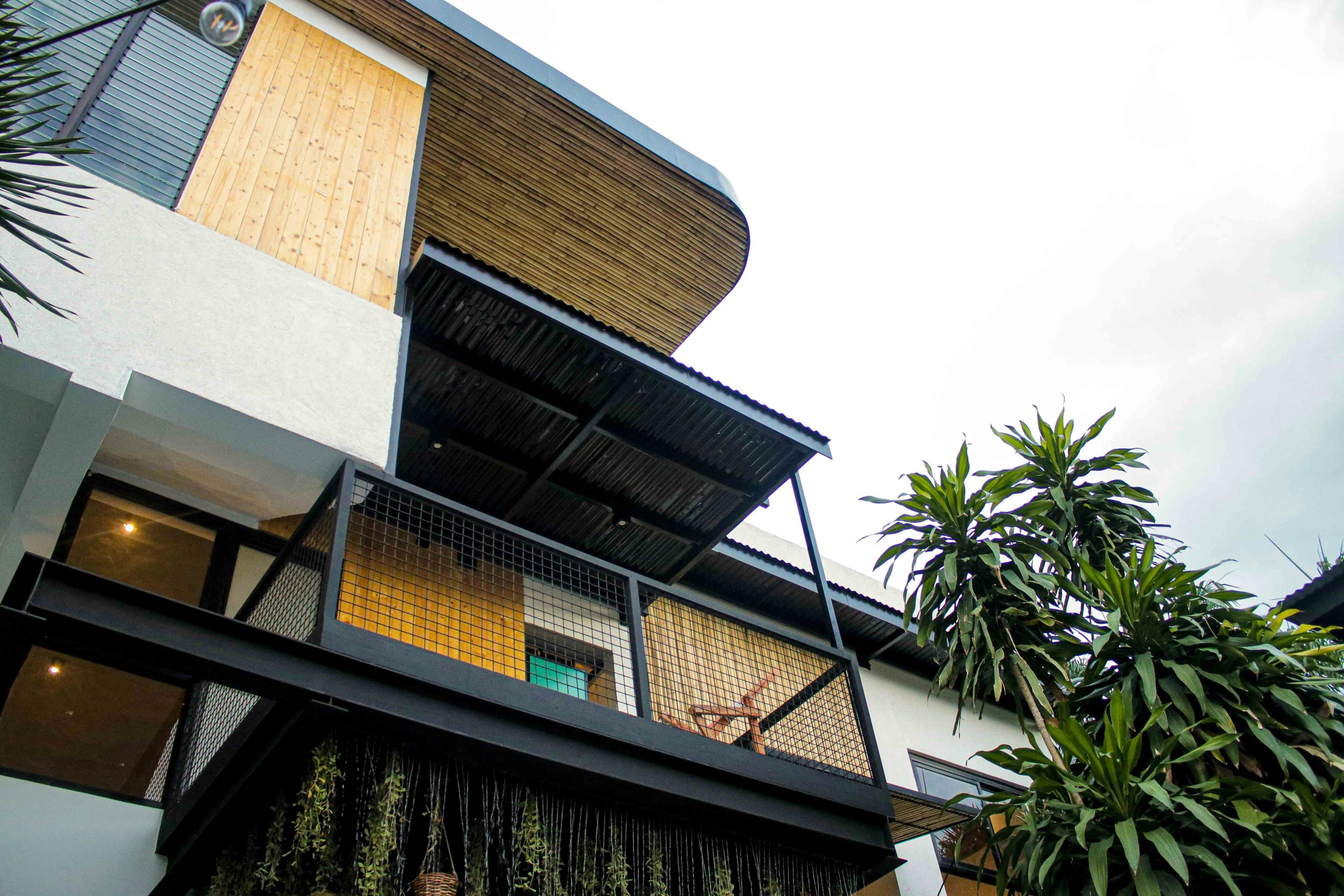
02Choosing a pattern
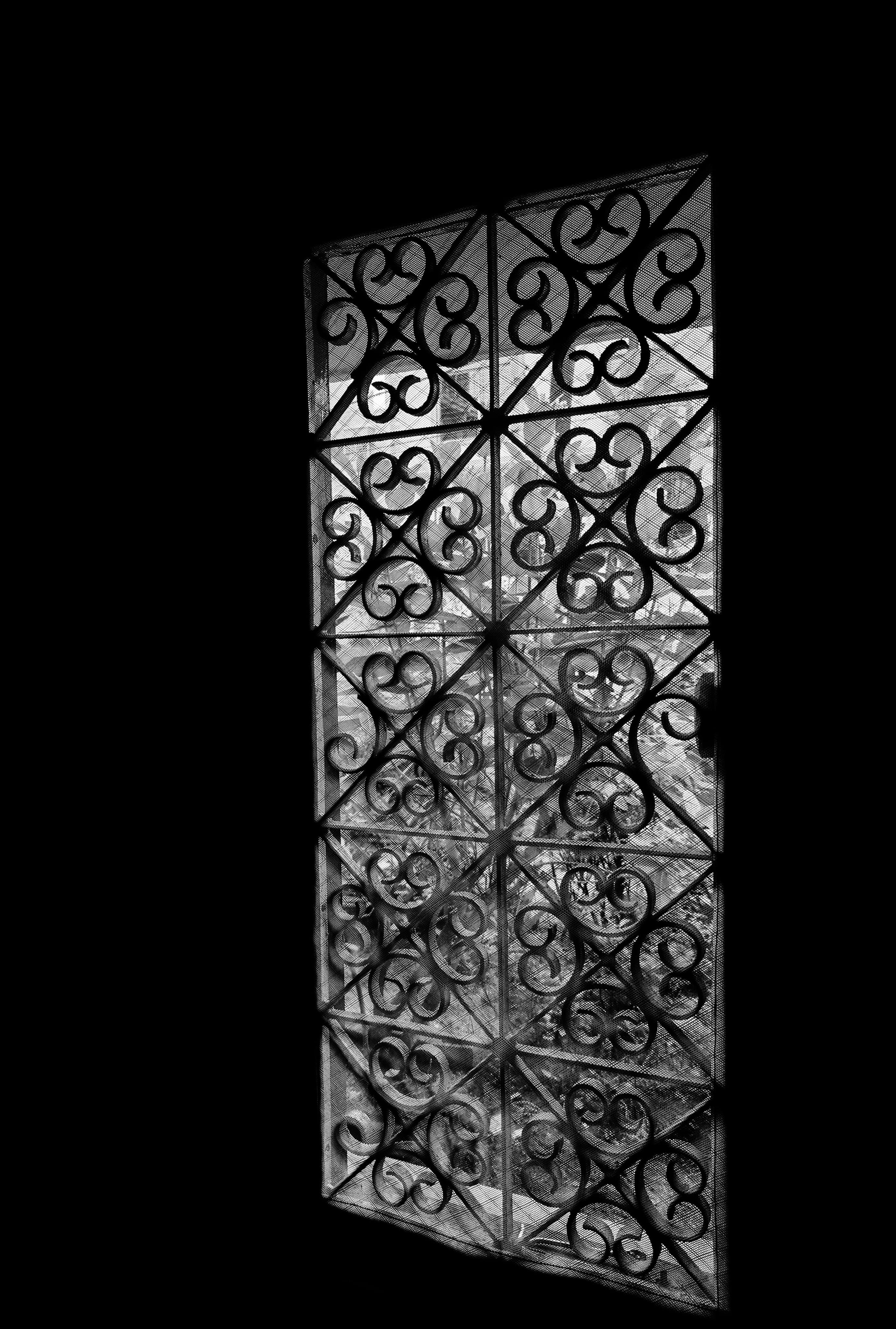
Geometric patterns suit modern homes; floral and traditional motifs suit classic elevations; custom designs can include names or logos. Open patterns let in more light and air, denser ones give more privacy — useful facing the street.
03Material, thickness and finish
Mild steel sheet is economical and is powder- or PU-coated for colour and protection. Stainless steel suits low-maintenance and coastal locations. Thicker sheet and a supporting frame keep large panels flat and rigid.
04Light and shadow
Backlighting a jali panel at night turns it into a feature, and sunlight casts its pattern across walls and floors during the day. Plan the lighting and the panel position together.
Decorative Facade
Guntur, Andhra Pradesh
Laser-cut decorative facade panels fabricated by Veldex.
View full case studyNeed custom fabrication for your property?
Our engineering team can design, fabricate, and install your exact vision.